Fresh vegetable and fruit juices are a defining part of the Gerson tradition. Their place makes most sense beside the meals, growing practices and clinical context of the complete program.
Start with the whole program
Gerson placed diet at the center of his clinical work. In his 1946 Senate testimony, he described a concentrated dietary approach and presented his reasoning about food, the liver and the body’s capacity to recover. The juices belonged to that larger system; they were not a single ingredient he tested in isolation.
Read a passage about juice beside the surrounding discussion. Ask which patient group he was describing, what else they received and when the account was written. That habit brings considerably more understanding than a detached quotation.
Three familiar ingredients, a distinctive tradition
Carrots
The bright orange root is one of the most recognizable ingredients in the Gerson kitchen. Learn its season, freshness and handling before getting absorbed in equipment.
Apples
Apples appear in the familiar carrot-and-apple combination. Cultivar, ripeness and storage affect flavor and yield; the program’s own recipe guidance supplies its particular choices.
Green leaves
The Institute publishes a separate green-juice guide. A named recipe and a dated source are more useful than an improvised “Gerson-style” blend.
Juice, a smoothie and a meal
| Preparation | What changes |
|---|---|
| Whole produce | The edible structure and fiber remain with the food. |
| Blended produce | The ingredients are broken down together; the pulp generally stays in the drink. |
| Extracted juice | Liquid is separated from much of the insoluble pulp. Yield depends on the ingredient and machine. |
| A complete meal | Foods are combined to meet broader needs for energy, protein, fat and other nutrients. |
These are useful distinctions, not a ranking of foods. A juice is not nutritionally interchangeable with a full day of meals. In ordinary food use, keep the rest of your diet in view.
Choose equipment with current information
The equipment market has changed since many familiar Gerson books were printed. The Institute maintains a guide discussing extraction methods and current machines. Consult its latest update, then confirm availability, parts, cleaning requirements and service with the manufacturer.
Old brand references can outlive the businesses that made them. Do not assume that a machine described in a decades-old edition is still manufactured or supported. This archive links to the current guide without recommending a particular product.
Care for the food and the person
Wash produce and food-contact equipment carefully, discard damaged or moldy ingredients, and follow food-safety guidance for fresh juice. Unpasteurized juice can carry harmful germs; people with weakened immunity and other vulnerable groups need particular care.
FDA · What you need to know about juice safety
For an individual with cancer, kidney disease or another serious condition, juice volume, fluid intake and potassium intake require clinical judgment. A historical recipe does not settle those decisions. The food story is worth studying carefully, with the person’s needs kept close.
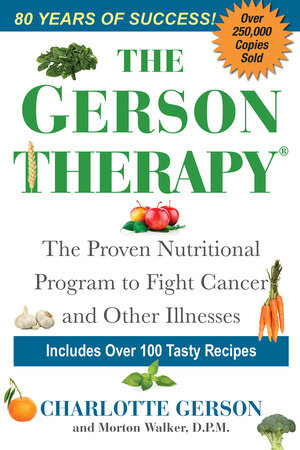

Continue into the original work
Look at the author, date and availability of each source. A historical observation and a later interpretation have different places in the story.